Choose a meal you already know.
Write down a breakfast, lunch or dinner you genuinely enjoy. Start with its ingredients instead of searching for a completely new diet.
What to know about a “cortisol diet,” foods that lower cortisol and the lists of supposed trigger foods. Start with a balanced eating pattern and a plan that fits your day.
Published by Cortisol in Balance · Sources checked October 16, 2026 · Educational guidance for adults
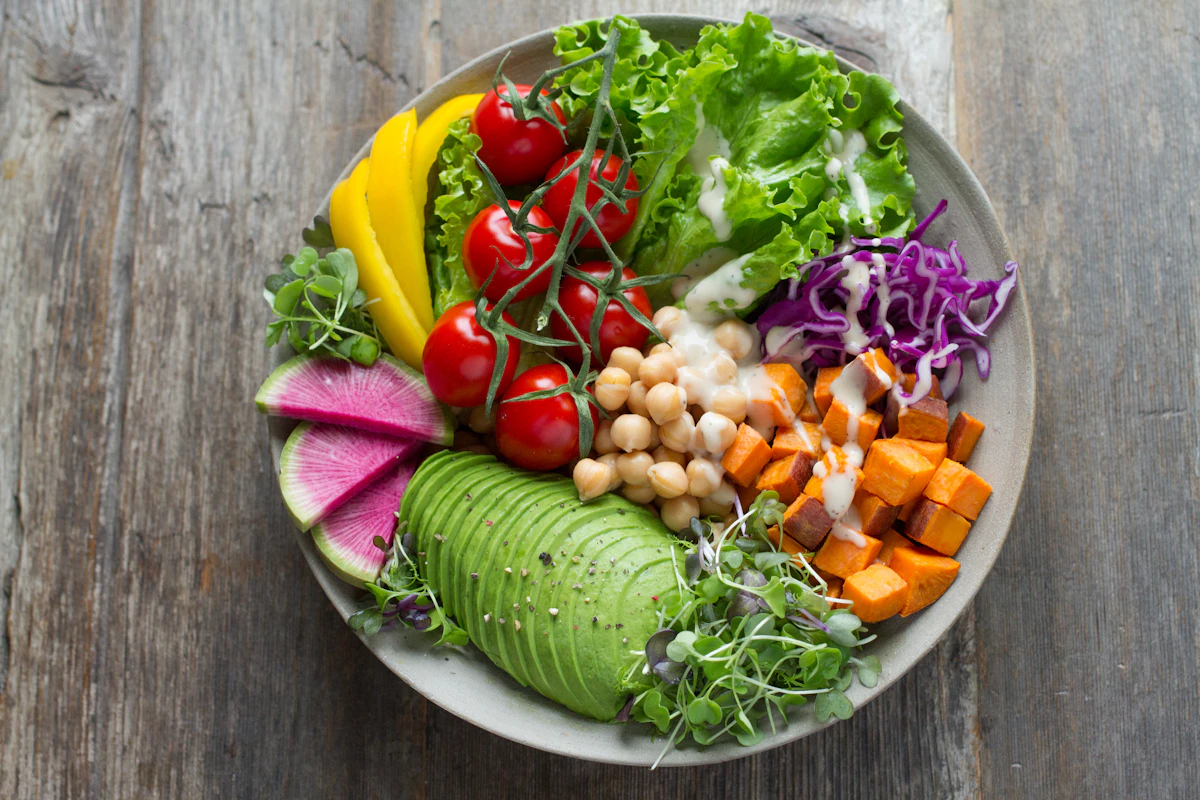
Nutrition can support overall health and coping with stress. It does not follow that a particular food will correct your cortisol level. Cleveland Clinic emphasizes the wider eating pattern and lifestyle rather than one food doing everything. [1]
Keep three questions separate: Is this a nutritious food? Does eating it fit my routine? Has it been shown to treat the specific condition I am concerned about? A useful answer to the first two is not proof of the third.
How you feel after a meal cannot establish whether cortisol is high, low or changing. Use our cortisol tests guide to understand why clinical context matters.
If you want to improve everyday habits, start with a manageable meal choice. If you have an abnormal test or symptoms that concern you, bring them to your healthcare team rather than using a food list to diagnose yourself.
The phrase “cortisol diet” appears in marketing and online advice. A more useful starting point is a balanced eating pattern adapted to your needs. General healthy-eating guidance includes vegetables, fruit, whole grains, legumes, suitable protein foods and unsaturated fats. That is nutrition guidance, not evidence that this menu treats a cortisol disorder. [2]
Write down a breakfast, lunch or dinner you genuinely enjoy. Start with its ingredients instead of searching for a completely new diet.
Pick the oats for a breakfast, beans for a bowl or lentils for a soup. Knowing the intended meal makes the shopping decision more concrete.
A ten-minute lunch needs different preparation from a weekend dinner. Choose a recipe and product form that fit your available time.
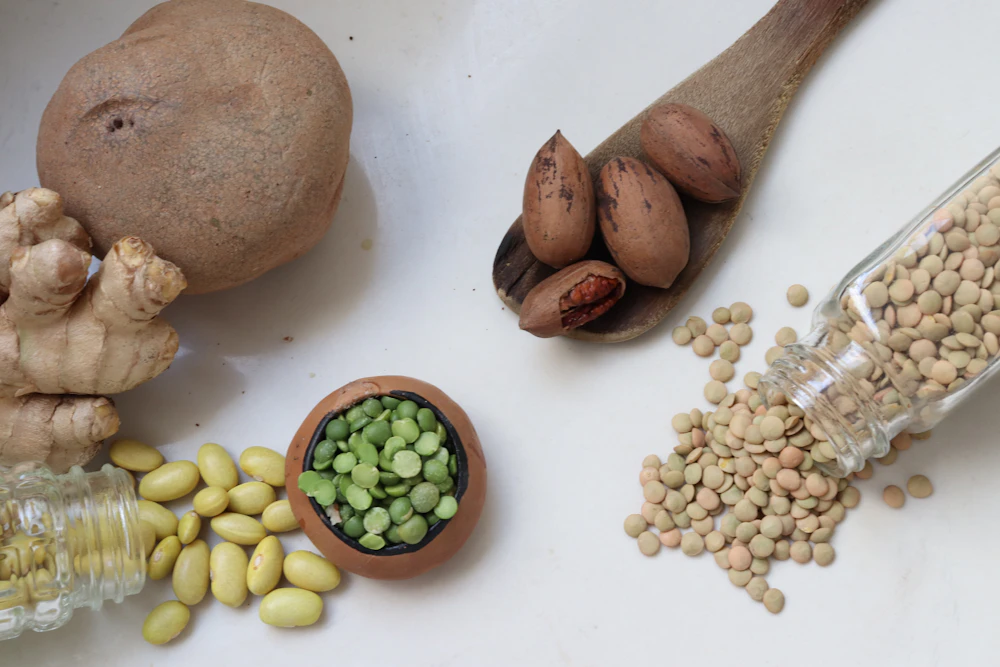
These are culinary starting points, not prescribed portions or complete personalized menus. Follow food-safety instructions and adapt ingredients for allergies, preferences and medical advice.
Lists of cortisol trigger foods often turn a complicated question into a simple avoid list. Before removing a food, check what the claim actually measures: a short-term hormone response, an association with stress, sleep effects or treatment of a medical condition. Those are different outcomes.
Cleveland Clinic discusses excessive caffeine, alcohol and high-added-sugar choices in its stress-management advice. That is not a reason to label every coffee, dessert or carbohydrate as a cause of a cortisol disorder. [1]
For a practical observation, record what you ate or drank and when. Keep it descriptive. A note such as “coffee at 5 p.m.; trouble settling at bedtime” is something to discuss, not proof of a hormone problem. Our cortisol and sleep guide gives the wider context.
Select one meal occasion and a few ingredients. The tool creates an editable-in-your-own-notes starting point; it does not calculate nutrients, portions, cortisol or medical suitability.
No. A meal, a feeling or an online checklist cannot establish your cortisol level. Ask your clinician about symptoms and whether testing is appropriate.
This guide does not recommend a blanket restriction. Whole grains, legumes and fruit appear in general healthy-eating guidance. Follow your individual advice when a specific condition changes your needs. [2]
Cushing’s syndrome involves prolonged excess cortisol and requires medical assessment and treatment based on its cause. A general food routine is not a substitute. Do not change prescribed steroid medicines on your own. [3]
Track practical things: whether you had ingredients, enjoyed the meal and had time to prepare it. You can also describe sleep or stress without converting those observations into hormone scores.
One realistic meal can make tomorrow easier to organize. The aim is a workable routine, not a promise about your next laboratory result.
Connect the meal plan with the habits and questions you already have. Use our free tools, read the sleep guide or explore the complete Cortisol in Balance System.
Sources checked October 16, 2026. Meal combinations, the shopping-note tool and planning prompts are original editorial examples. Source checking is not medical peer review. The organizations cited do not endorse this site or its products.