Who was studied?
A small, defined group of adults. Results do not automatically apply to every age, health condition or reason for considering a supplement.
Does magnesium lower cortisol? Understand what one study found, what a supplement label tells you and which questions deserve an individual answer.
Published by Cortisol in Balance · Sources checked October 16, 2026 · Educational guidance for adults
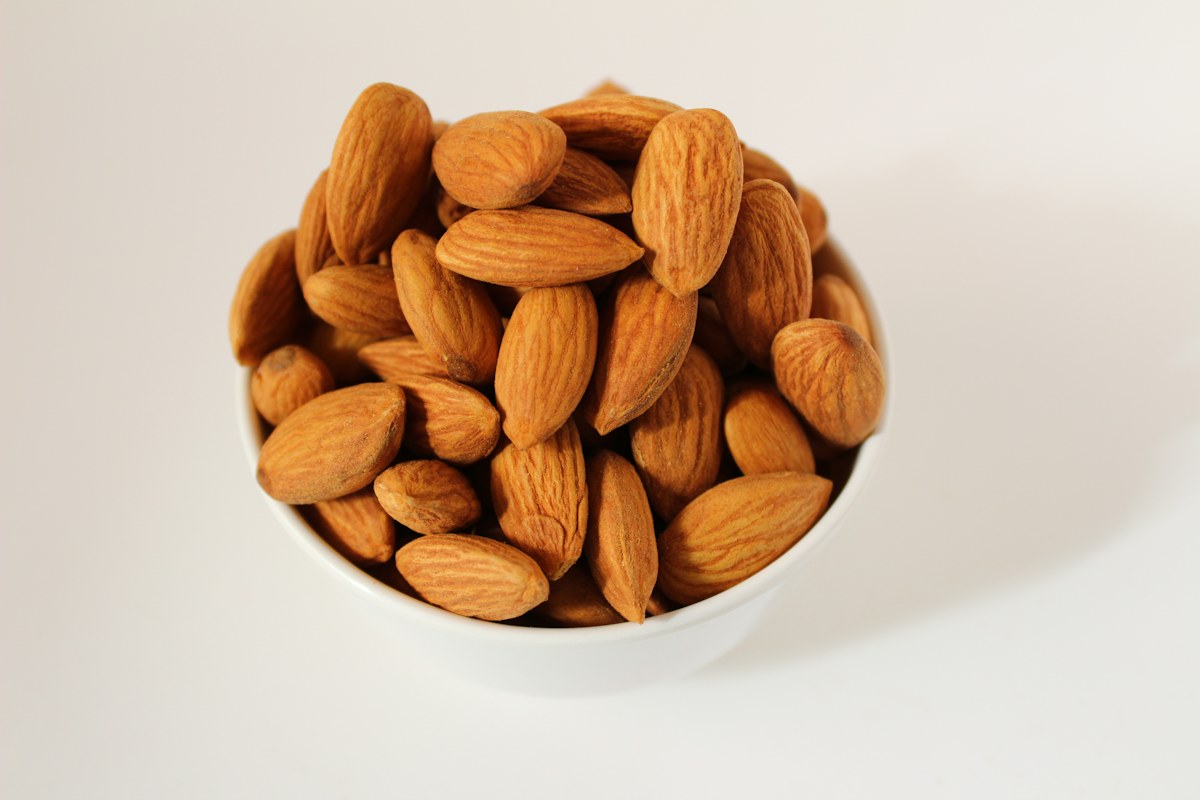
One post-hoc analysis of a randomized trial found lower 24-hour urinary cortisol excretion after magnesium supplementation than after placebo. It involved 49 overweight adults aged 45–70, followed for 24 weeks. [1]
The researchers studied glucocorticoid metabolism. Their result is a reason to investigate further, not a universal instruction to take magnesium for stress or a diagnosis of high cortisol.
Urinary cortisol over a day is a particular outcome. It does not directly tell you whether a product improves your sleep, changes your weight or treats an endocrine condition. Those are separate questions requiring relevant evidence.
A small, defined group of adults. Results do not automatically apply to every age, health condition or reason for considering a supplement.
Urine-based hormone measurements and related metabolism. A product testimonial about feeling calmer measures something different.
Whether a particular product, form or routine would provide a meaningful benefit for you. This analysis cannot answer all three.
Study summary: Schutten and colleagues, Clinical Endocrinology (2021). Read the university abstract. The linked abstract was reviewed; the full paper was not accessible in this review.
NIH lists leafy greens, legumes, nuts, seeds and whole grains among magnesium sources. A varied meal can include these foods without being described as a “cortisol-lowering” meal. [2]
For practical meal ideas, explore Food and Cortisol. Choose examples that fit your preferences, allergies and any existing dietary advice.
Define the question before comparing products. Are you asking about dietary intake, an identified deficiency, sleep, or a cortisol test? A shared ingredient does not make those questions interchangeable.
If you are searching for a magnesium supplement for lowering cortisol, compare the claim with the study behind it. Check who participated, the formulation, the outcome and the duration—not just the word “magnesium.”

The Supplement Facts panel declares elemental magnesium. Serving size matters: an amount for a two-capsule serving is not automatically the amount in one capsule. [2]
Use the elemental magnesium amount printed in Supplement Facts. This tool calculates only the amount represented by your entry. It does not choose a dose, compare products or predict a cortisol response.
Show the full Supplement Facts panel, serving size and other ingredients. Ask whether the product addresses the question you actually have.
Include other supplements, medicines and the reason you are considering magnesium. Ask which combinations or timing need review.
If a cortisol test prompted your search, bring its timing and laboratory report. Use our tests guide to prepare questions.
The evidence presented here does not establish that comparison. A claim that one form is “best” needs a relevant comparison between forms and outcomes, not simply evidence that magnesium was studied.
No. It translates a labeled serving into the amount represented by the units you enter. It does not assess your total intake, health history or personal needs.
Those observations alone do not establish a cortisol level. Discuss persistent symptoms or an abnormal test with a healthcare professional. Our sleep guide explains the difference between a daily rhythm and a diagnosis.
Ask what “reset” means, what was measured and whether the result applies to that exact product. Explore the Claim Library for a structured way to examine the claim.
Sources checked October 16, 2026. Source checking is not medical peer review. Study interpretation and question prompts are editorial guidance, not individual treatment advice. The tool performs label arithmetic only. Cited organizations do not endorse this site or its products.